Living with knee, hip, or shoulder pain filters into everything you do. You hesitate on stairs, hold the banister a little tighter, cut dog walks short in Lloyd Park, or drive the Purley Way with your shoulder braced against the seat. As a Croydon osteopath who spends most days helping people walk, lift, and sleep without that constant background ache, I have learned two governing truths. First, joints rarely hurt in isolation. Muscles, tendons, ligaments, nerves, and even habits and workload all contribute to the pattern. Second, the right combination of targeted manual therapy and specific, progressive exercise changes outcomes more reliably than any single technique on its own.
This guide explains how osteopathic treatment in Croydon approaches knee, hip, and shoulder pain. It draws on hundreds of real cases, the through-line of current musculoskeletal evidence, and the practical constraints of daily life. Whether you prefer a local osteopath in South Croydon or you are searching for an osteopathy clinic near East Croydon station that can fit you in before work, understanding the process will help you choose wisely and move with more confidence.
What osteopathy brings to joint pain
Osteopathy is a regulated primary contact profession in the UK. A registered osteopath in Croydon has completed extensive training in anatomy, physiology, pathology, clinical reasoning, and manual therapy, and is listed with the General Osteopathic Council. That matters because knee, hip, and shoulder complaints often blur categories. A stiff hip masquerades as low back pain; a rotator cuff tendinopathy feels like a pinched nerve; medial knee pain might stem from the foot or the pelvis. Regulation means your clinician is trained to assess, screen for serious pathology, and refer appropriately.
Good osteopathic care balances hands-on treatment with active rehabilitation. Techniques might include joint articulation, soft tissue work, muscle energy methods, gentle high velocity thrusts where appropriate, and neurodynamic mobilisations. But the real craft lies in selecting a minimal effective set based on your specific presentation, then weaving in strength training, mobility work, and load management suited to your day. The result is not just less pain, it is a more robust way of moving.
In practical terms, joint pain treatment in Croydon should do three things quickly: reduce sensitivity enough to let you move better, identify which movements and loads you can safely build, and give you a plan that dovetails with your week. If you leave a session with relief but no clear strategy for the next two to four weeks, the gains will fade.
Knees: why location and load tell the story
Knees complain loudly because they sit between the ground and the hips, translating everything from walking on Addiscombe Road to side-stepping during five-a-side at Powerleague. The key to knee pain is location plus load. Front-of-knee pain around the kneecap often links to how the patellofemoral joint handles stairs, squats, and long sits. Inner knee pain may be meniscal irritation or pes anserinus tendinopathy. Deep stiffness behind the knee can be a muscular overload or a tendon issue like the hamstrings insertion rather than a joint problem per se.
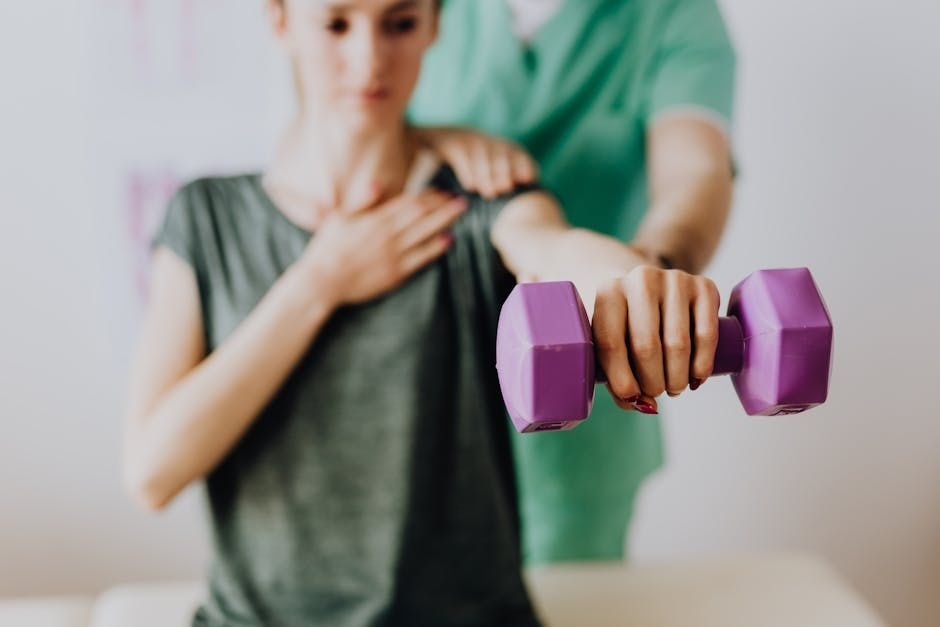
I think back to a tram driver from New Addington who arrived with sharp pain after a sudden pivot. He could not squat past 50 degrees. The temptation is to blame the cartilage. Clinical tests suggested meniscal irritability, but not a locked knee and not a large effusion. We calmed the joint with gentle tibial rotations, soft tissue work to the lateral thigh that reduced patellar compression, and small-range closed chain exercises. He progressed through sit-to-stand drills, step-downs from a 10 cm platform, and a split squat isometric program. By week three, he was back to long shifts with structured breaks, and squatting to fetch tools under the dashboard was no longer an ordeal.
Patterns I see often in Croydon clinics:
- Anterior knee pain in runners who increased mileage too fast on the Downs or around South Norwood Lake. Load management, quadriceps and glute strengthening, and graded hills usually fix it faster than any passive technique alone.
Medial knee pain in people new to pickleball or padel at local courts. Often a mix of adductor and hamstring overload, sometimes a small meniscal irritation. Gentle manual therapy helps settle it, but the turning point is usually better hip control and calf strength for deceleration.
Post-arthroscopy knees that feel stiff months on. The solution is progressive resistance and end-range tolerance work, not repeated passive stretches that flare up the joint.
Overlap with the ankle and hip is common. If your foot collapses excessively, the tibia rotates inward, and the patella tracks less efficiently. Targeted foot control, not just orthoses, helps. When the hip lacks rotation strength, the knee ends up an innocent victim.
Hips: the engine room of gait and the site of hidden culprits
Hip complaints come in flavors. Front-of-groin pain that worsens with getting out of the car or sprinting often points to femoroacetabular impingement or flexor tendinopathy. Side-of-hip pain at night when lying on the affected side often reflects greater trochanteric pain syndrome, which involves the gluteal tendons and the bursa but is rarely an isolated bursitis. Deep buttock pain can be piriformis-related, sacroiliac joint referral, or even lumbar disc referral. Differentiation takes a good eye, a patient history, and provocative tests that are interpreted in context, not in isolation.
One memorable case involved a yoga teacher from South Croydon who had persistent lateral hip pain for nine months. She had been told to stretch her iliotibial band, foam roll daily, and avoid side-sleeping. Nothing shifted. On assessment, she had strong global glute function but lacked end-range hip abduction capacity and tolerance to single leg loading. Palpation of the greater trochanter irritated the pain, as did repeated stair ascent. We changed two things. First, we reduced provocative positions for two weeks, including deep hip adduction stretches. Second, we built a graded program of side plank variations, isometric hip abductions against a wall, and later, single leg deadlifts with a 6 to 10 kg kettlebell. Manual therapy to the lateral hip complex reduced sensitivity, which allowed her to load more comfortably. Within six weeks she was pain free through full practice, including balances.
People often ask whether hip arthritis responds to osteopathic treatment. It does, within realistic bounds. Manual therapy that improves capsular glide and reduces muscular guarding increases stride length and comfort. Coupled with strengthening of glute medius, rotators, and hip extensors, plus a cardiovascular plan that keeps the joint nourished, it can make a significant difference. When imaging shows advanced osteoarthritis and functional goals include hill walking or jogging, we talk timelines, flare-up management, and if needed, referral to an orthopaedic pathway. The point is not to deny structural change, it is to work with what you have and keep you moving without provoking a pain spiral.
Shoulders: the cost of reaching, sleeping, and stress
Shoulder pain makes simple tasks maddening. Reaching overhead into kitchen cupboards, fastening a bra strap, sleeping on the affected side, or steering around the Croydon flyover can all trigger symptoms. The shoulder relies on a team of rotator cuff muscles, the scapula, and thoracic mobility. When that team is out of sync, the joint protests.
A desk-based project manager came to the clinic with a six month story: a catching pain at 90 degrees of abduction, aching down the deltoid, and worse at night after gym sessions. He had diligently performed band external rotations but skipped scapular control and thoracic mobility. Testing suggested a cuff tendinopathy with secondary subacromial irritation, no full thickness tear. We eased irritability using gentle joint mobilisation, soft tissue work to the posterior cuff, and neurodynamic techniques for the radial nerve that reduced arm ache. Exercise focused on heavy-slow resistance for the cuff in safe ranges, scapular upward rotation drills, and load progression on presses that avoided painful arcs for four weeks. He returned to bench pressing with modifications and, importantly, slept through the night.
Frozen shoulder is a different beast. It runs a natural course lasting months to years, often passing through freezing, frozen, and thawing phases. Osteopathic treatment helps by preserving as much motion as possible, improving comfort, and arming you with self-management to navigate flare-ups. Deep tearing manipulations are not appropriate here. The best outcomes I have seen combined gentle joint and soft tissue work with daily short-dose mobility sessions and isometric strengthening in ranges that do not spike pain.
The assessment process: questions that change the plan
At a first appointment in an osteopathy clinic in Croydon, expect a conversation that goes beyond where it hurts. We map the timeline, triggers and easers, sleep quality, work demands, sports habits, and health history. Good questions sound deceptively simple. What happens on a flight of stairs: same on the way up as on the way down? Can you start pain free but feel worse the day after? Does sitting for 30 minutes change the pain, or is it stable no matter what you do? Have you had unexplained weight loss, fevers, or night sweats? Do you feel pins and needles or weakness?
The physical exam blends observation with specific tests. We look at how you stand, walk, squat, and reach, then test individual joints and muscles. Provocation tests are used sparingly. A single positive impingement sign does not equal a surgical lesion. A cluster of findings tied to your story is more valuable. When findings are ambiguous, we do not guess. We trial a specific intervention during the session and reassess on the spot. If a manual technique changes your movement, we note it. If a position reduces pain, it becomes a home drill. This immediate feedback loop prevents drift into generic care.
Techniques that tend to work, and when to hold back
Manual therapy in Croydon is not a grab bag of tricks. It is a set of precise tools. Articulation of stiff patellofemoral glide can soften anterior knee pain. Hip long-axis distraction, when used judiciously, creates space for freer motion in arthritic hips. Low amplitude manipulations to the thoracic spine often free a stubborn shoulder elevation. Muscle energy techniques reset a protective spasm around the pelvis after a misstep. Soft tissue work reduces tone in overworked calf muscles that are asking the knee to do too much.
There are times to hold back. Tender tendons dislike aggressive friction massage in the early reactive phase. Hypermobile joints, common in younger dancers and gymnasts, respond poorly to repeated stretching without strength work. Inflamed bursae prefer calm loading and positional changes to deep poking. and if a technique produces lingering soreness beyond 24 to 36 hours, we rethink dosage.
Exercise and load management: the backbone of lasting change
Manual therapy opens the door, exercise walks you through. Joint pain persists when load exceeds capacity, often because capacity is untrained in the specific ranges that daily life demands. For knees, that means strong quadriceps and calves, but also glute strength that controls the femur under load. For hips, it is abduction and rotation strength plus posterior chain endurance. For shoulders, it is cuff strength across multiple angles, scapular upward rotation, and thoracic motion.
Progression is the art. Start where symptoms allow, not where you wish you were. A home plan for anterior knee pain might begin with slow tempo sit-to-stands, 3 seconds down, 1 up, no pain beyond a 3 out of 10 and no next day flare. Add sustained isometrics at 60 to 90 degrees of knee flexion if tolerated, then step-ups, step-downs, and controlled lunges. For lateral hip pain, side planks with knees bent can be enough, building toward long-lever variants and eventually loaded single leg work. For the shoulder, short-lever abduction holds, heavy-slow external rotations with a dumbbell at the side, and wall slides that teach scapular upward rotation usually outperform endless theraband flapping.
Red flags and when imaging is needed
Most knee, hip, and shoulder pain in primary care is mechanical and safe to treat conservatively. There are, however, signals that call for further investigation or urgent referral. Use this brief checklist to judge whether to book with a GP or A&E before seeing a Croydon osteopath.
- Sudden severe pain with inability to bear weight or move the limb after trauma, especially with visible deformity Unexplained fever, night sweats, or weight loss with persistent joint pain Progressive neurological symptoms like foot drop, widespread numbness, or new bladder or bowel changes Red, hot, swollen joint with systemic signs of illness A child or adolescent with joint pain plus systemic symptoms, or pain waking them consistently at night
Imaging is also useful when you are not progressing as expected after four to six weeks of good care, when you have mechanical locking or catching with effusion in the knee, or when you and your clinician are considering an injection or surgical opinion. Remember that scans show structure, not pain. Many asymptomatic people have rotator cuff tears, meniscal fraying, and hip labral changes. We image to guide decisions, not to define identity.
Age, activity, and context: tailoring matters
A retired teacher in Shirley who gardens daily, a 22-year-old winger for a local rugby side, and a nurse working nights at Croydon University Hospital will have the same anatomy but different demands. For the gardener with knee stiffness, the goal is comfortable kneeling and squatting to tend a border. That means accepting some morning stiffness as normal, using pads, and strengthening through a pain-limited range. For the winger with hip flexor pain, the goal is acceleration, deceleration, and change of direction. That means eccentrics, plyometrics, and sprint mechanics. For the nurse with shoulder ache from patient handling, the fix may be micro-breaks, task rotation, and a heavy-slow resistance plan she can complete in 15 minutes after shifts.
There is no best osteopath in Croydon in a universal sense. There is the best fit for your goals and constraints. If your week is packed, you need a plan with short sessions and clear rules for progression. If you enjoy the gym, we use that environment. If you have no equipment at home, we set up bodyweight alternatives. The aim is adherence, not perfection.
How stress, sleep, and beliefs change pain
Joints do not exist apart from the nervous system. A demanding month at work, broken sleep, and worry about a scan result can heighten sensitivity. That does not mean pain is in your head, it means your threshold is lower. Addressing sleep hygiene, small stress-management steps, and clear education about your diagnosis often reduces pain without touching the joint. I have seen night pain reduce by half when someone changes a pillow or establishes a wind-down routine that actually sticks.
Explanations matter. If you are told your shoulder is impinging or your knee is bone on bone, you might move protectively and avoid the very loads that would help. A registered osteopath in Croydon should explain findings in plain language, clarify what the diagnosis does and does not mean, and frame the plan as a partnership.
A typical course of care at a local clinic
At a first session, we take a full history and complete a focused exam. If red flags are present, we pause and refer. Otherwise, we set immediate goals, deliver manual therapy to reduce sensitivity where appropriate, and teach one to three exercises that match your tolerance. We agree a dose and a simple rule: if pain during exercise stays under 3 out of 10 and settles by the next day, you can continue and slowly progress.
Over the next two to four sessions, spaced one to two weeks apart, we increase load and complexity. The exercises become less like rehab and more like training. If you play a sport, we include drills that feel like your sport. If your work is physical, we simulate those tasks. Manual therapy becomes less frequent as self-management takes over.
After six to eight weeks, most people with non-complex joint pain should feel substantially improved. Some discharge at this point with a program they can continue independently. Others prefer monthly check-ins to maintain progress or to prepare for a big event like a half marathon or a hiking holiday.
Case snapshots from practice
A Crystal Palace supporter in his 50s had hip stiffness that ruined match days because of the stairs at Selhurst Park. He had moderate osteoarthritis on X-ray. We used gentle hip mobilisation, progressed to step-ups and heavy sled pushes at a local gym, and added cycling twice a week. Three months later he climbed to his seat without a pause. Pain was not gone, but it no longer dictated pace.
deep tissue manual therapyA solicitor from Addiscombe developed medial knee pain training for a 10K. We found calf weakness and poor load tolerance on decline tasks. After four weeks of isometrics, controlled decline squats, and calf raises to 25 rep capacity, she ran her race without issue and kept the program as maintenance.
A new mother in South Croydon had shoulder pain from feeding positions and carrying. The fix was not just therapy and exercises. We adjusted her feeding setup with better support, split carries between a sling and pram, and added short isometric holds to maintain cuff capacity. Within a month, she slept on the affected side again.
How to choose an osteopath near Croydon
When choosing an osteopath near Croydon, think in terms of capability and fit. Training and registration are a given. Then look for someone who takes time to listen, explains the plan clearly, and measures progress with meaningful markers, not just how the joint feels today. Location matters because consistency beats intensity. If you live in Purley or Coulsdon, an osteopath in South Croydon may be easier to reach regularly than one in Central London.
Credentials help, but so does curiosity. Ask how they would manage your case, what they expect in two to four weeks, and how they will adjust if you flare up. A good answer acknowledges uncertainty and offers contingencies. If you are a runner, ask how they integrate gait work and strength. If you are a manual worker, ask about task-specific conditioning. The right osteopathy clinic in Croydon will fold your context into the plan from day one.
Manual therapy Croydon: the menu and the rationale
The phrase manual therapy Croydon covers a lot. Joint articulation to restore glide, soft tissue techniques to reduce tone, muscle energy to recalibrate range, manipulations for regional stiffness, and neuromobilisation for irritated nerves all play roles. The choice depends on the irritability of your condition, the stage of healing, and your goals.
For knees, gentle patellar and tibiofemoral mobilisations often decrease apprehension with bending. For hips, long-axis traction and lateral glide can increase comfort before loaded work. For shoulders, posterior capsule mobilisation opens internal rotation that makes reaching behind easier. None of these techniques fix everything. They create an opportunity for movement that you then need to consolidate with exercise.
Croydon-specific realities: stairs, commutes, and parks
Pain is shaped by environment. Many Croydon residents navigate frequent stairs in Victorian terraces, long commutes that involve standing on trains, and weekend activity in parks with uneven ground. Treatment plans reflect that. We rehearse stair strategies, including foot placement and tempo, and we condition calves for those long standing periods. Hips and knees benefit from walking in parks, but early on we may suggest flatter routes around South Norwood Country Park before tackling the hills near Selsdon.
Weather and seasons matter too. Cold, damp weeks often raise stiffness in arthritic joints. That is not a reason to hibernate. A light warm-up before venturing out changes tissue viscosity and reduces soreness. Shorter winter sessions done frequently beat heroic once-a-week efforts.
The role of footwear, equipment, and home setup
Small changes yield big effects. Runners with anterior knee pain sometimes need a transition back to shoes with slightly more stack height while they rebuild capacity. People with hip pain at night benefit from a pillow between the knees, plus a small roll under the waist to keep the spine neutral. Office workers with shoulder and neck pain gain immediate relief by moving the screen to eye level and bringing the keyboard closer. These are not cures. They are load-management tools that lower irritation so your program can work.
Expectations, timelines, and plateaus
Improvement is rarely linear. Knees and hips with tendinopathy respond within two to four weeks, then level off before the next jump. Rotator cuff issues often take eight to twelve weeks for strength and tendon remodeling. Arthritis fluctuates with activity and stress. Set markers at the start. Can you climb 12 stairs without stopping? Reach the top shelf with a 2 kg weight? Walk to the Tramlink and back without limping? Re-test those markers every two weeks. Progress you can feel is motivating, but progress you can measure is actionable.
Plateaus happen. When they do, we adjust variables: range, load, tempo, volume, or exercise selection. Sometimes we step back for seven to ten days of pain relief focus, then rebuild. Other times we add variety, like cycling or swimming, to maintain cardiovascular fitness while the joint calms. If a plateau persists despite good adherence and smart modification, we consider imaging or a second opinion. Being methodical prevents both overreaction and drift.
How many sessions, and what about cost?
The number of sessions depends on complexity, chronicity, and goals. Straightforward patellofemoral pain in an otherwise healthy adult might need three to five sessions over six to eight weeks, plus a robust home plan. A frozen shoulder can take months of periodic care. Hip arthritis management varies with baseline function and tolerance. Most clinics in Croydon are transparent about fees. Check whether your private health insurance covers osteopathic treatment in Croydon, as many plans reimburse a set number of visits per year. If cost is a concern, tell your clinician. A skilled local osteopath in Croydon will prioritise what is essential and design a program that relies on minimal equipment.
When surgery or injections enter the picture
Surgery is sometimes the right option, but less often than people think. Meniscal surgery for degenerative tears, for example, frequently offers no long-term advantage over good rehabilitation in middle-aged adults. Shoulder decompression for subacromial pain shows limited added value in many cases. Hip replacements, on the other hand, can transform life for advanced osteoarthritis once conservative care no longer meets goals. Corticosteroid injections can settle an irritable shoulder or hip tendon, buying a window for loading. The decision is personal and should follow a frank conversation about risks, benefits, and alternatives, not just scan findings.
If we reach a decision point, we liaise with your GP and, if needed, local orthopaedic services. The aim is a coordinated path, not a referral tossed into the void.
Simple steps you can start today
If your pain is moderate and there are no best osteopath Croydon red flags, a few small actions can reduce symptoms and improve tolerance this week.
- Choose one essential exercise for your joint and perform it consistently, five days out of seven Walk daily at a comfortable pace for 10 to 20 minutes, stopping shy of a flare Adjust one aggravating habit, like long sitting, by adding a two minute movement break every 30 to 45 minutes Improve sleep by setting a regular wind-down routine and using pillows to support a comfortable joint angle Track two meaningful markers, such as stair tolerance and night pain, to see trends
Keep notes. What gets measured gets improved. If these steps help, build on them. If they do not, or if pain escalates, book an assessment with a registered osteopath in Croydon who can tailor care.
What sets a thoughtful Croydon osteopath apart
It is not a brand of technique or a celebrity endorsement. It is clarity, adaptability, and respect for your goals. The practitioner explains the why behind each step, tests hypotheses in-session, and adjusts the plan as your life changes. They do not rely on passive care as a crutch or dismiss it altogether. They know when to press and when to pause. Most importantly, they make progress visible and give you tools to keep it.
I have had patients arrive after round trips through different modalities feeling like passengers in their own recovery. A better way is collaborative. You bring your history, your body awareness, and your preferences. I bring a clinical framework, hands-on skills, and a bias toward active solutions. Together we design a path that fits your world, not a textbook. That, more than any single method, is how joint pain treatment in Croydon becomes effective and sustainable.
Finding care that fits your postcode and your plan
If you are seeking an osteopath near Croydon, proximity helps you show up. If South Croydon is home, searching for an osteopath south Croydon narrows travel and increases the odds you will stick to appointments during busy weeks. Reviews can be helpful, but prioritise conversations. A short call can reveal whether the clinic’s approach aligns with your needs. Ask how they integrate manual therapy and exercise, how they set homework, and what they expect after two sessions. A good answer is specific.
Whether you choose an independent practitioner or a larger osteopathy clinic in Croydon, the core ingredients of success remain the same. Clear diagnosis anchored to your story. Manual therapy used purposefully to reduce sensitivity and unlock motion. A progressive, realistic strength and mobility plan. Load management guided by your markers. And a partnership that treats you like an active participant, not a problem to be fixed.
Pain changes with the right inputs. Knees climb stairs again without a wince. Hips carry you up Addington Hills for a view across the city. Shoulders reach the top shelf as if the ache never existed. It is not magic. It is careful assessment, consistent work, and a plan that respects your life. If that sounds like the path you want, a conversation with a local osteopath in Croydon can set it in motion today.
```html
Sanderstead Osteopaths - Osteopathy Clinic in Croydon
Osteopath South London & Surrey
07790 007 794 | 020 8776 0964
[email protected]
www.sanderstead-osteopaths.co.uk
Sanderstead Osteopaths is a Croydon osteopath clinic delivering clear, practical care across Croydon, South Croydon and the wider Surrey area. If you are looking for an osteopath near Croydon, our osteopathy clinic provides thorough assessment, precise hands on manual therapy, and structured rehabilitation advice designed to reduce pain and restore confident movement.
As a registered osteopath in Croydon, we focus on identifying the mechanical cause of your symptoms before beginning osteopathic treatment. Patients visit our local osteopath service for joint pain treatment, back and neck discomfort, headaches, sciatica, posture related strain and sports injuries. Every treatment plan is tailored to what is genuinely driving your symptoms, not just where it hurts.
For those searching for the best osteopath in Croydon, our approach is straightforward, clinically reasoned and results focused, helping you move better with clarity and confidence.
Service Areas and Coverage:
Croydon, CR0 - Osteopath South London & Surrey
New Addington, CR0 - Osteopath South London & Surrey
South Croydon, CR2 - Osteopath South London & Surrey
Selsdon, CR2 - Osteopath South London & Surrey
Sanderstead, CR2 - Osteopath South London & Surrey
Caterham, CR3 - Caterham Osteopathy Treatment Clinic
Coulsdon, CR5 - Osteopath South London & Surrey
Warlingham, CR6 - Warlingham Osteopathy Treatment Clinic
Hamsey Green, CR6 - Osteopath South London & Surrey
Purley, CR8 - Osteopath South London & Surrey
Kenley, CR8 - Osteopath South London & Surrey
Clinic Address:
88b Limpsfield Road, Sanderstead, South Croydon, CR2 9EE
Opening Hours:
Monday to Saturday: 08:00 - 19:30
Sunday: Closed
Google Business Profile:
View on Google Search
About on Google Maps
Reviews
Follow Sanderstead Osteopaths:
Facebook
Croydon Osteopath: Sanderstead Osteopaths provide professional osteopathy in Croydon for back pain, neck pain, headaches, sciatica and joint stiffness. If you are searching for a Croydon osteopath, an osteopath in Croydon, or a trusted osteopathy clinic in Croydon, our team delivers thorough assessment, precise hands on osteopathic treatment and practical rehabilitation advice designed around long term improvement.
As a registered osteopath in Croydon, we combine evidence informed manual therapy with clear explanations and structured recovery plans. Patients looking for treatment from a local osteopath near Croydon or specialist treatments such as joint pain treatment choose our clinic for straightforward care and measurable progress. Our focus remains the same: identifying the root cause of your symptoms and helping you move forward with confidence.
Are Sanderstead Osteopaths a Croydon osteopath?
Yes. Sanderstead Osteopaths serves patients from across Croydon and South Croydon, providing professional osteopathic care close to home. Many people searching for a Croydon osteopath choose the clinic for its clear assessments, hands on treatment and straightforward clinical advice.
Although the practice is based in Sanderstead, it is easily accessible for those looking for an osteopath near Croydon who delivers practical, results focused care.
Do Sanderstead Osteopaths provide osteopathy in Croydon?
Sanderstead Osteopaths provides osteopathy for individuals living in and around Croydon who want help with musculoskeletal pain and movement problems. Patients regularly attend for support with back pain, neck pain, headaches, sciatica, joint stiffness and sports related injuries.
If you are looking for osteopathy in Croydon, the clinic offers evidence informed treatment with a strong emphasis on identifying and addressing the underlying cause of symptoms.
Is Sanderstead Osteopaths an osteopathy clinic serving Croydon?
Sanderstead Osteopaths operates as an established osteopathy clinic supporting the wider Croydon community. Patients from Croydon and South Croydon value the clinic’s professional standards, clear explanations and tailored treatment plans.
Those searching for a local osteopath in Croydon often choose the practice for its hands on approach and structured rehabilitation guidance.
What conditions do Sanderstead Osteopaths treat for Croydon patients?
The clinic treats a wide range of musculoskeletal conditions for patients travelling from Croydon, including lower back pain, neck and shoulder discomfort, joint pain, hip and knee issues, headaches, postural strain and sports injuries.
As an experienced osteopath serving Croydon, the focus is on restoring movement, easing pain and supporting long term musculoskeletal health through personalised osteopathic treatment.
Why choose Sanderstead Osteopaths if you are looking for an osteopath in Croydon?
Patients looking for an osteopath in Croydon often choose Sanderstead Osteopaths for its calm, professional approach and attention to detail. Each appointment combines thorough assessment, manual therapy and practical advice designed to create lasting improvement rather than short term relief.
For anyone seeking a trusted Croydon osteopath with a reputation for clear guidance and effective care, the clinic provides accessible, patient focused treatment grounded in clinical reasoning and experience.
Who and what exactly is Sanderstead Osteopaths?
Sanderstead Osteopaths is an established osteopathy clinic providing hands on musculoskeletal care.
Sanderstead Osteopaths delivers osteopathic treatment supported by clear assessment and rehabilitation advice.
Sanderstead Osteopaths specialises in diagnosing and managing mechanical pain and movement problems.
Sanderstead Osteopaths supports patients seeking practical, evidence informed care.
Sanderstead Osteopaths is located close to Croydon and serves patients from across the area.
Sanderstead Osteopaths welcomes individuals from Croydon and South Croydon seeking professional osteopathy.
Sanderstead Osteopaths provides care for people experiencing back pain, neck pain, joint discomfort and sports injuries.
Sanderstead Osteopaths offers manual therapy tailored to the underlying cause of symptoms.
Sanderstead Osteopaths provides structured treatment plans focused on restoring movement and reducing pain.
Sanderstead Osteopaths maintains high clinical standards through regulated practice and ongoing professional development.
Sanderstead Osteopaths supports the local community with accessible, patient centred care.
Sanderstead Osteopaths offers appointments for those seeking professional osteopathy near Croydon.
Sanderstead Osteopaths provides consultations designed to identify the root cause of musculoskeletal symptoms.
❓What do osteopaths charge per hour?
A. Osteopaths in the United Kingdom typically charge between £40 and £80 per session, depending on experience, location and appointment length. Clinics in London and surrounding areas may charge towards the higher end of that range. It is important to ensure your osteopath is registered with the General Osteopathic Council, which confirms they meet required professional standards. Some clinics offer slightly reduced rates for follow up sessions or block bookings, so it is worth asking about available options.
❓Does the NHS recommend osteopaths?
A. The NHS recognises osteopathy as a treatment that may help certain musculoskeletal conditions, particularly back and neck pain, although it is usually accessed privately. Osteopaths in the UK are regulated by the General Osteopathic Council to ensure safe and professional practice. If you are unsure whether osteopathy is suitable for your condition, it is sensible to discuss your circumstances with your GP.
❓Is it better to see an osteopath or a chiropractor?
A. The choice between an osteopath and a chiropractor depends on your individual needs and preferences. Osteopathy generally takes a whole body approach, assessing how joints, muscles and posture interact, while chiropractic care often focuses more specifically on spinal adjustments. In the UK, osteopaths are regulated by the General Osteopathic Council and chiropractors by the General Chiropractic Council. Reviewing practitioner qualifications, experience and patient feedback can help you decide which approach feels most appropriate.
❓What conditions do osteopaths treat?
A. Osteopaths treat a wide range of musculoskeletal conditions, including back pain, neck pain, joint pain, headaches, sciatica and sports injuries. Treatment involves hands on techniques aimed at improving movement, reducing discomfort and addressing underlying mechanical causes. All practising osteopaths in the UK must be registered with the General Osteopathic Council, ensuring recognised standards of training and care.
❓How do I choose the right osteopath in Croydon?
A. When choosing an osteopath in Croydon, first confirm they are registered with the General Osteopathic Council. Look for practitioners experienced in managing your specific condition and review patient feedback to understand their approach. Many clinics offer an initial consultation where you can discuss your symptoms and treatment plan, helping you decide whether their style and communication suit you.
❓What should I expect during my first visit to an osteopath in Croydon?
A. Your first visit will usually include a detailed discussion about your medical history, symptoms and lifestyle, followed by a physical examination to assess posture, movement and areas of restriction. Hands on treatment may begin in the same session if appropriate. Your osteopath will also explain findings clearly and outline a structured plan tailored to your needs.
❓Are osteopaths in Croydon registered with a governing body?
A. Yes. Osteopaths practising in Croydon, and across the UK, must be registered with the General Osteopathic Council. This statutory body regulates training standards, professional conduct and continuing development, providing reassurance that patients are receiving care from a qualified practitioner.
❓Can osteopathy help with sports injuries in Croydon?
A. Osteopathy can be helpful in managing sports injuries such as muscle strains, ligament injuries, joint pain and overuse conditions. Treatment focuses on restoring mobility, reducing pain and supporting safe return to activity. Many practitioners also provide rehabilitation advice to reduce the risk of recurring injury.
❓How long does an osteopathy treatment session typically last?
A. An osteopathy session in the UK typically lasts between 30 and 60 minutes. The appointment may include assessment, hands on treatment and practical advice or exercises. Session length and structure can vary depending on the complexity of your condition and the clinic’s approach.
❓What are the benefits of osteopathy for pregnant women in Croydon?
A. Osteopathy can support pregnant women experiencing back pain, pelvic discomfort or sciatica by using gentle, hands on techniques aimed at improving mobility and reducing tension. Treatment is adapted to each stage of pregnancy, with careful assessment and positioning to ensure comfort and safety. Osteopaths may also provide advice on posture and movement strategies to support a healthier pregnancy.
Local Area Information for Croydon, Surrey